girlgrowingsmall:fuckyeah-tonedandfit:THE BENEFITS OF SUGAR IN FRUITSThis idea that fruit is somehow a bad thing to eat came into full swing with the low carb diet craze, but the myth persists. Not a week goes by that I don’t hear someone tell me that they avoid fruit because it’s “all sugar” or “loaded with carbs.” So, I want to set the record straight and come to the defense of some of the world’s healthiest foods – fresh, whole fruits.I’ll tackle the “fruit is all sugar” statement first – because it’s just plain wrong. Fresh fruit offers so much more than the natural sugar it contains – including water, vitamins, minerals, fiber and phytonutrients (those naturally-occurring plant compounds that have wide ranging beneficial effects on the body). Where else can you get a package like that for about 75 calories per serving?The idea that fruit is “loaded with carbs” or is “full of sugar” needs to be put into perspective, too. It’s true that when you eat fruit, the overwhelming majority of the calories you consume are supplied by carbohydrate – mostly in the form of fructose, which is the natural sugar in the fruit.But that’s the nature not just of fruit, but of all plant foods – they’re predominantly carbohydrate (and that means not just natural sugars, but healthy starches as well as structural elements, like cellulose, that provide fiber). When you eat vegetables, the majority of the calories you’re eating come from carbohydrate, too. But you don’t hear people complaining that vegetables are “loaded with carbs.”Before dismissing foods as being loaded with sugar, or too high in carbs, consider not only the amount of sugar or carbs you’re eating, but the form of the carbohydrate, too. There’s a big difference between the nutritional value of the natural carbohydrates found in fruits and other plant foods – the sugars, starches and fibers – and what’s found (or, more accurately, what’s not found) in all the empty calories we eat from added sugars that find their way into everything from brownies to barbecue sauce.Faced with a serving of fruit, how much sugar are we talking about, anyway? An average orange has only about 12 grams of natural sugar (about 3 teaspoons) and a cup of strawberries has only about 7 grams – that’s less than two teaspoons. And either way, you’re also getting 3 grams of fiber, about a full day’s worth of vitamin C, healthy antioxidants and some folic acid and potassium to boot – and it’ll only cost you about 50 or 60 calories. “All sugar?” I think not.By contrast, a 20-ounce cola will set you back about 225 calories and, needless to say, won’t be supplying any antioxidants, vitamins, minerals or fiber. You’ll just be chugging down some carbonated water, maybe some artificial color and flavor, and somewhere in the neighborhood of 60 grams of added sugar (about 1/3 of a cup).You won’t get fat on eating fruit. You won’t be consuming an insane, over-the-top amount of sugar. Don’t be afraid of eating fruit, because they are the best thing you can give your body. read more..
Monday, 25 June 2012
Natural Sugar-Carbohydrate-Plant Foods-Calories-Fruit
Thursday, 21 June 2012
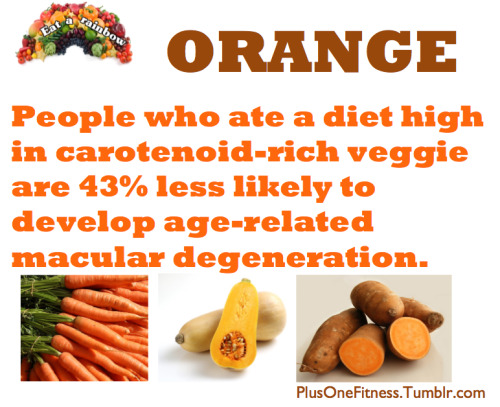
Healthy Lifestyle-Butternut Squash-Sweet Potatoes-Rainbow-Orange
plusonefitness:Orange: Try to eat a rainbow of foods to improve your overall healthy lifestyle! Carrots, Sweet potatoes, and butternut squash are all good members of this food group.Love Plus One Fitness? Like our facebook page for even more cool tips and exercise articles! read more..
Saturday, 26 May 2012
Grapefruit Seed Extract-Benefits Of Grapefruit-Grapefruit Juice-Breast Cancer-Heart Disease
myjournalofhealth:Benefits of Grapefruit
Heart and Anti Inflammatory Benefits
Grapefruit is very rich in Vitamin C, a nutrient that has been shown to alleviate cold symptoms and improve immune function. In addition to being an immunity-booster, the Vitamin C found in grapefruit has also been proven to help with chronic inflammatory conditions like arthritis and asthma. Adding grapefruit to your diet also promotes heart health and helps to prevent death risk from stroke and heart disease by decreasing inflammation, blood clotting, and acting as an anti-oxidant. Antioxidants discourage decay and death at a cellular level by inhibiting the absorption of oxygen.
Cancer Fighting Benefits
Grapefruit contains limonoids, which are chemical compounds that are known to fight different types of cancers, and there are compounds in grapefruit pulp that can help prevent breast cancer. Tobacco smoke contains cancer-causing agents that are activated by certain enzyme activity; this is reduced by daily consumption of grapefruit juice, which is a powerful anti-oxidant, which helps lower the risks of colon and lung cancers. The primary defense mechanism of the body against cancer is DNA repair, a process which is aided by Naringenin, a flavonoid concentrated in grapefruit.
Natural Disinfectant
In addition to the many grapefruit benefits that are provided by consuming the actual flesh of the fruit, grapefruit seed extract has been proven as an excellent disinfectant because it effectively eliminates germs. It is one of the most effective antimicrobial agents to be discovered and also acts as a natural disinfectant. As it has virtually none of the toxicity of other cleaning products, it has already been put to use in some American hospitals. It can be used around the home for safely cleaning chopping boards, cooking utensils and even your toothbrush on occasion.
Non-Toxic Rome Remedy
Grapefruit seed extract is a safe, non-toxic remedy for a variety of different pesky conditions such as dandruff, warts, and corns. It works to eliminate head lice and mites when other products fail, and can even be used on pets for skin conditions such as mange, fleas or to treat certain infections. Grapefruit seed extract (GSE) can also be used against water and food borne illnesses such as diarrhea and dysentery when traveling, and in the garden as a bug spray or to remove mold and fungus. Grapefruit benefits the skin, too, as a topical anti-acne remedy and aromatherapy agent. (x) read more..
Thursday, 24 May 2012
Potato Nutrition-Baked Potato-Fatty Acids-Daily Value-Nutrients
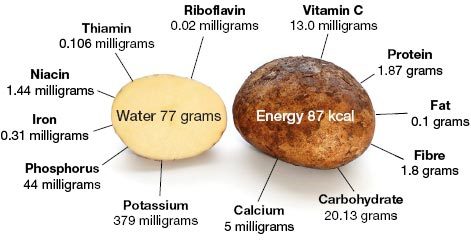
In order to be healthy, potatoes need to be prepared correctly. This means they are baked without salt and eaten skin and all. When cooked this way they contain a number of important vitamins and nutrients. They contain 48% of your daily value of vitamin C and 46% of your daily value of B-6. They also provide nutrients such as potassium, iron, and magnesium. They even contain 38.9 mg of omega-3 fatty acids. When additives like sour cream and butter are left off, potatoes are a very low fat food. Potato nutrition is a little more complex than you may have previously thought.Potatoes have more nutritional value than most people think. Depending on how they are prepared, potatoes can actually be very nutritious. They contain vitamins, nutrients, and omega-3 fatty acids. With these beneficial spuds, there is no need to feel guilty about indulging in a tasty baked potato.via owl.com read more..
Tuesday, 8 May 2012
Cruciferous Vegetables-Helicobacter Pylori-Gastric Cancer-Antioxidants
yummyrawfood:The benefit’s of KaleKale is not only one of the more beautiful cruciferous vegetables, but it also one of the most nutritious. Here are nine reasons to eat kale, and eat it often.Diet and Digestion
One cup of kale has only 36 calories and zero grams of fat, which makes it a great diet aid. Furthermore, one cup contains nearly 20% of the RDA of dietary fiber, which promotes regular digestion, prevents constipation, lowers blood sugar and curbs overeating. Finally, kale contains the glucosinolate isothiocyanate (ITC) that fights the formation of H. pylori (Helicobacter pylori), a bacterial growth in the stomach lining that can lead to gastric cancer.
Kale is a superstar in the arena of carotenoids and flavonoids, two powerful antioxidants that protect our cells from free radicals that cause oxidative stress. The key flavonoids kaempferol and quercitin (not to dismiss the 45 other distinctive flavonoids in kale) have also been shown to specifically fight against the formation of cancerous cells. With the addition of high doses of well-known antioxidants like vitamin C, vitamin A, and manganese, kale is certainly a smart choice in the battle against cellular oxidation.
Anti-Inflammatory
One cup of kale provides about 10% of the RDA of omega-3 fatty acids that helps regulate the body’s inflammatory process. A megadose of vitamin K further aids to fight against excessive inflammatory-related problems, such as arthritis, autoimmune disorders, and asthma.
Not only do kale’s antioxidant and anti-inflammatory qualities work together to prevent and even combat cancer, a healthy diet of kale also provides glucosinolates, which have been shown to prevent colon, breast, bladder, prostate, ovarian cancers, as well as gastric cancer.
Cardiovascular Support
The high fiber content of kale lowers our cholesterol by binding with bile acids that the liver produces from cholesterol for digesting fat. Because many of these bile acids are coupled with fiber, the liver is charged with producing more bile acid to digest fat, and therefore requires more cholesterol to so, ultimately lowering the amount of cholesterol within our bodies.
The isothiocyanates (ITC) from glucosinolates found in kale aid in both phases I and II of the body’s detoxification process. The high sulfur content of kale has further been shown essential for phase II of detoxification.
Kale provides a whopping dose of vitamin K (providing 1327% of the RDA in one cup), which is necessary for the synthesis of osteocalcin, a protein that strengthens the composition of our bones. Vitamin K also prevents calcium build-up in our tissue that can lead to atherosclerosis, cardiovascular disease and stroke. Finally, vitamin K is essential for synthesizing sphingolipid, the fat needed to maintain the myelin sheath around our nerves, and therefore our nervous system as a whole.
With over 192% of the RDA of vitamin A, one cup of kale is an effective antioxidant, boosts immunity, maintains healthy bones and teeth, prevents urinary stones, and is essential to our reproductive organs.
Vitamin C, which one cup of kale heartily provides (over 88% of our RDA), is not only a powerful antioxidant, but also lowers blood pressure, ensures a healthy immune system, and fights against age-related ocular diseases, such as cataracts and macular degeneration. read more..
Tuesday, 14 February 2012
Fruits And Vegetables-Exotic Vegetable-Colorful Variety
February is Exotic Vegetable Month, according to the CDC. What’s the most exotic veggie you’ve ever tried? http://bit.ly/gwOEnA Fruits & Veggies Matter: Fruit & Vegetable of the Month: Exotic Vegetables | CDCwww.fruitsandveggiesmatter.govFruits & Veggies Matter: Home: Eat a Colorful Variety of Fruits and Vegetables Every Day for Better Health | CDC read more..